



Why Sediment Builds Up in Water Heaters — And How to Prevent Damage
Learn why sediment builds up in water heaters, how it causes damage, and how to prevent it. Discover maintenance tips and professional services to protect your Sacramento home's water heater.
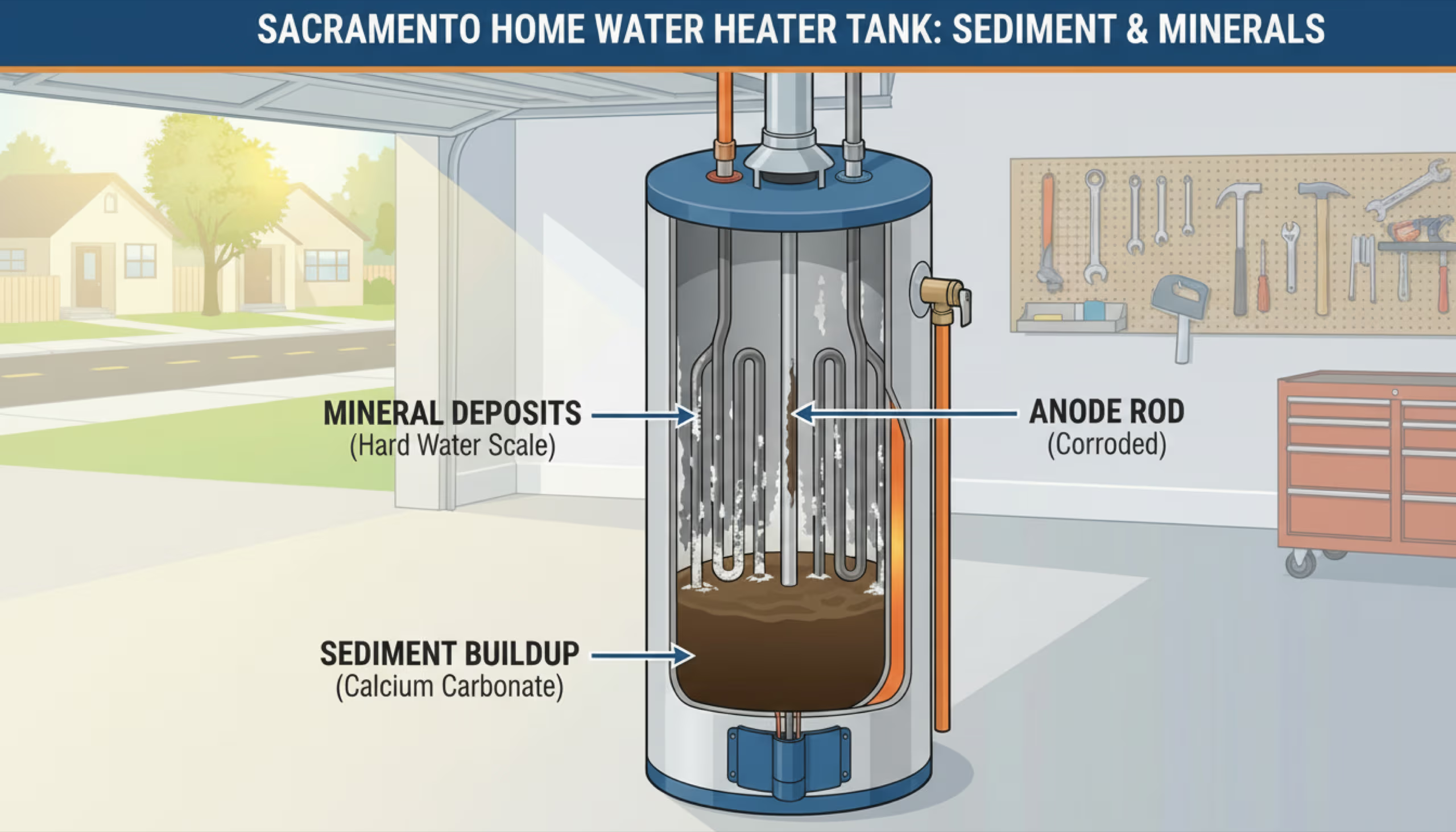
Sediment buildup in water heaters is a common problem that can cause damage, reduce efficiency, and shorten your water heater's lifespan. Understanding why sediment builds up and how to prevent it helps Sacramento homeowners protect their water heaters and avoid costly repairs or replacements. This guide explains everything you need to know about sediment buildup and prevention.
What is Sediment in Water Heaters?
Sediment in water heaters consists of minerals, debris, and particles that settle at the bottom of the tank. These particles come from the water supply and accumulate over time, creating a layer of sediment that can cause various problems.
Types of Sediment
Common types of sediment in water heaters include:
- Calcium carbonate (lime scale)
- Magnesium deposits
- Rust and corrosion particles
- Sand and dirt
- Other mineral deposits
Where Sediment Accumulates
Sediment typically accumulates at the bottom of the water heater tank, where it's heated. Over time, this layer can become thick and hard, causing problems with heating efficiency and tank integrity.
Why Sediment Builds Up in Water Heaters
Understanding why sediment builds up helps Sacramento homeowners take preventive measures and recognize when maintenance is needed.
Hard Water
Hard water contains high levels of dissolved minerals, primarily calcium and magnesium. When hard water is heated, these minerals precipitate out of solution and form sediment. Sacramento-area homes often have hard water, making sediment buildup a common issue.
Water Temperature
Higher water temperatures cause more minerals to precipitate out of solution, accelerating sediment formation. Water heaters set to high temperatures experience faster sediment buildup.
Water Source
The mineral content of your water source affects sediment formation. Well water and municipal water with high mineral content contribute to faster sediment buildup.
Lack of Maintenance
Without regular maintenance, sediment continues to accumulate. Annual flushing removes sediment before it causes problems, but many homeowners don't perform this maintenance.
Not sure if your water heater has sediment buildup? Contact Beaver Brothers Plumbing for a free consultation. We can assess your water heater and recommend maintenance or repairs.
How Sediment Causes Damage
Sediment buildup causes several types of damage that can reduce efficiency, increase energy costs, and shorten your water heater's lifespan.
Reduced Heating Efficiency
Sediment acts as an insulator, preventing heat from reaching the water efficiently. This causes the water heater to work harder and longer to heat water, increasing energy costs and reducing efficiency.
Tank Overheating
When sediment insulates the bottom of the tank, the heating element or burner must work harder, potentially causing overheating. This can damage the tank lining and heating components.
Noise Problems
Sediment can cause popping, cracking, or rumbling noises as it's heated and moves around in the tank. These noises indicate sediment buildup and potential problems.
Tank Corrosion
Sediment can trap water against the tank bottom, causing corrosion and potentially leading to leaks. This is especially problematic in older water heaters with worn tank linings.
Reduced Hot Water Capacity
As sediment accumulates, it takes up space in the tank, reducing the amount of hot water available. This can cause you to run out of hot water faster than expected.
Premature Failure
All of these problems can combine to cause premature water heater failure, requiring expensive replacement before the unit's expected lifespan.
Signs of Sediment Buildup
Recognizing signs of sediment buildup helps Sacramento homeowners address the problem before it causes serious damage.
Reduced Hot Water
If you're running out of hot water faster than usual, sediment may be reducing your tank's capacity. This is one of the most common signs of sediment buildup.
Noisy Operation
Popping, cracking, or rumbling noises when the water heater is heating indicate sediment buildup. These noises occur as sediment is heated and moves around.
Higher Energy Bills
If your energy bills are increasing without increased usage, sediment may be reducing your water heater's efficiency, causing it to work harder to heat water.
Discolored Water
Rust-colored or cloudy hot water can indicate sediment buildup or tank corrosion. This is a sign that maintenance or replacement may be needed.
Longer Heating Times
If your water heater takes longer to heat water, sediment may be insulating the heating elements, reducing efficiency.
How to Prevent Sediment Buildup
Preventing sediment buildup protects your water heater and extends its lifespan. Several preventive measures help reduce sediment accumulation.
Regular Flushing
Annual water heater flushing removes sediment before it causes problems. This maintenance is essential for preventing damage and maintaining efficiency. Professional flushing ensures all sediment is removed properly.
Water Softening
Water softeners remove minerals from water before it enters your water heater, reducing sediment formation. This is especially beneficial in areas with hard water, like Sacramento.
Temperature Adjustment
Setting your water heater to a lower temperature (120-130°F) reduces mineral precipitation and sediment formation while still providing adequate hot water.
Anode Rod Replacement
The anode rod protects your water heater tank from corrosion. Replacing it when worn helps prevent corrosion that can contribute to sediment problems.
Regular Maintenance
Regular professional maintenance identifies and addresses sediment buildup before it causes damage. Annual inspections and flushing keep your water heater operating efficiently.
Need water heater maintenance? Contact Beaver Brothers Plumbing today. We offer professional water heater flushing and maintenance services to protect your system. Call 916-885-1005 today — professional water heater maintenance for Sacramento homeowners.
Professional Water Heater Flushing
Professional water heater flushing is the most effective way to remove sediment and prevent damage. This service should be performed annually to maintain efficiency and extend lifespan.
What Professional Flushing Includes
Professional water heater flushing includes:
- Draining the tank completely
- Removing all sediment
- Inspecting the tank and components
- Checking the anode rod
- Testing operation
- Refilling and testing
Benefits of Professional Flushing
Professional flushing provides:
- Complete sediment removal
- Improved efficiency
- Extended lifespan
- Reduced energy costs
- Prevention of damage
When to Schedule Flushing
Schedule water heater flushing:
- Annually as preventive maintenance
- When you notice signs of sediment buildup
- After moving into a new home
- If your water heater is making noises
- If you're experiencing reduced hot water
DIY vs. Professional Flushing
While some homeowners attempt DIY water heater flushing, professional service ensures proper sediment removal and identifies potential problems.
DIY Flushing Challenges
DIY flushing can be challenging because:
- Sediment can be difficult to remove completely
- Improper draining can cause damage
- Safety concerns with hot water and gas/electric connections
- Lack of professional inspection
Professional Service Benefits
Professional flushing provides:
- Complete sediment removal
- Professional inspection
- Identification of potential problems
- Safe and proper procedure
- Warranty protection
Water Heater Replacement Considerations
If sediment buildup has caused significant damage, water heater replacement may be necessary. Understanding when replacement is needed helps Sacramento homeowners make informed decisions.
When Replacement is Needed
Consider water heater replacement if:
- Sediment has caused tank corrosion and leaks
- Efficiency is severely reduced despite maintenance
- The water heater is near the end of its expected lifespan
- Repairs would cost more than replacement
Choosing a New Water Heater
When replacing your water heater, consider:
- Tank vs. tankless options
- Size for your household's needs
- Energy efficiency ratings
- Installation requirements
- Warranty coverage
Maintenance Schedule for Water Heaters
Following a regular maintenance schedule helps prevent sediment buildup and extends your water heater's lifespan.
Annual Maintenance
Annual maintenance should include:
- Professional flushing
- Tank inspection
- Anode rod check
- Temperature and pressure relief valve test
- Component inspection
Monthly Checks
Monthly checks should include:
- Checking for leaks
- Listening for unusual noises
- Monitoring hot water supply
- Checking energy usage
Common Questions About Sediment Buildup
How often should I flush my water heater?
Water heaters should be flushed annually to prevent sediment buildup. In areas with hard water, like Sacramento, more frequent flushing may be beneficial.
Can I prevent sediment buildup completely?
While you can't completely prevent sediment buildup, regular flushing, water softening, and proper temperature settings significantly reduce accumulation and prevent damage.
Is sediment buildup dangerous?
While sediment buildup itself isn't immediately dangerous, it can cause damage that leads to leaks, reduced efficiency, and premature failure. Regular maintenance prevents these problems.
How much does professional flushing cost?
Professional water heater flushing typically costs $100-$200, depending on your location and the service provider. At Beaver Brothers Plumbing, we offer competitive pricing for maintenance services.
Can sediment buildup be reversed?
Yes, professional flushing removes sediment and restores efficiency. However, if sediment has caused corrosion or other damage, those issues may require additional repairs or replacement.
Conclusion
Sediment buildup in water heaters is a common problem that can cause damage, reduce efficiency, and shorten lifespan. Understanding why sediment builds up and how to prevent it helps Sacramento homeowners protect their water heaters and avoid costly repairs or replacements.
Regular professional flushing is the most effective way to prevent sediment buildup and maintain water heater efficiency. At Beaver Brothers Plumbing, we offer professional water heater maintenance services to keep your system operating efficiently and extend its lifespan.
Contact Beaver Brothers Plumbing today to schedule water heater maintenance or learn more about preventing sediment buildup. Call 916-885-1005 today — professional water heater maintenance for Sacramento homeowners.

Plumbing
Connect with us for expert plumbing tips, updates, and services — follow us on social media!