
Using a chemical drain cleaner like Drano now and then on a slow drain, in pipes that are in good condition, is unlikely to cause immediate damage. But repeated use, use on a fully blocked drain, or use in older plumbing can damage pipes, fixtures and septic systems, and the chemical is a real hazard to whoever opens the drain next. Chemical cleaners also fail completely on many of the clogs people use them for.
Here is what these products do inside your plumbing, when they are risky, and what to use instead.
Drano is the best-known brand, but store shelves carry many similar products. The formula varies from product to product, so read the label on the bottle you have. Most fall into a few groups:
- Caustic (alkaline) cleaners use strong bases such as lye (sodium hydroxide). They turn grease into a soap-like substance and break down organic material. The reaction also gives off heat.
- Oxidizing cleaners use bleach or peroxides to break down organic matter. Some products combine these with caustic ingredients.
- Acid cleaners use sulfuric or hydrochloric acid. They are the harshest group, and many are marketed for professional use.
- Enzyme and bacterial cleaners digest organic buildup slowly. They are gentler, but they are for maintenance, not for clearing a drain that is already blocked.
The heat and the harsh chemistry are what clear the clog. They are also what cause the problems below.
Most modern drain pipe is PVC or black ABS plastic, and it is designed for continuous drainage at up to about 140°F. A chemical reaction that sits on a stubborn clog in a trap can get the pipe and its glued joints hotter than they were made for. The plastic nuts and washers on the trap under your sink are also vulnerable. Consumer Reports has warned that the heat from drain chemicals can damage plastic pipe if the product sits too long.
Many older homes still have galvanized steel or cast iron drains, and after decades of use these are often corroded thin on the inside. Acid cleaners attack metal directly. Any strong chemical left sitting in a weak section can get out through a pinhole or a failing joint, and then you have a leak inside a wall or under the floor as well as a clog.
A septic system relies on bacteria to break down waste, and harsh chemicals kill those bacteria. The EPA's septic care guidance specifically advises against chemical drain openers and suggests a drain snake instead. If your home is on a septic system, keep these products out of it.
Don't use chemical drain cleaners in toilets. Consumer Reports warns that the heat can crack porcelain. Splashes can also mark or dull the finish on sinks, tubs and faucets. If you have a garbage disposal, check its manual before you put chemicals down it.
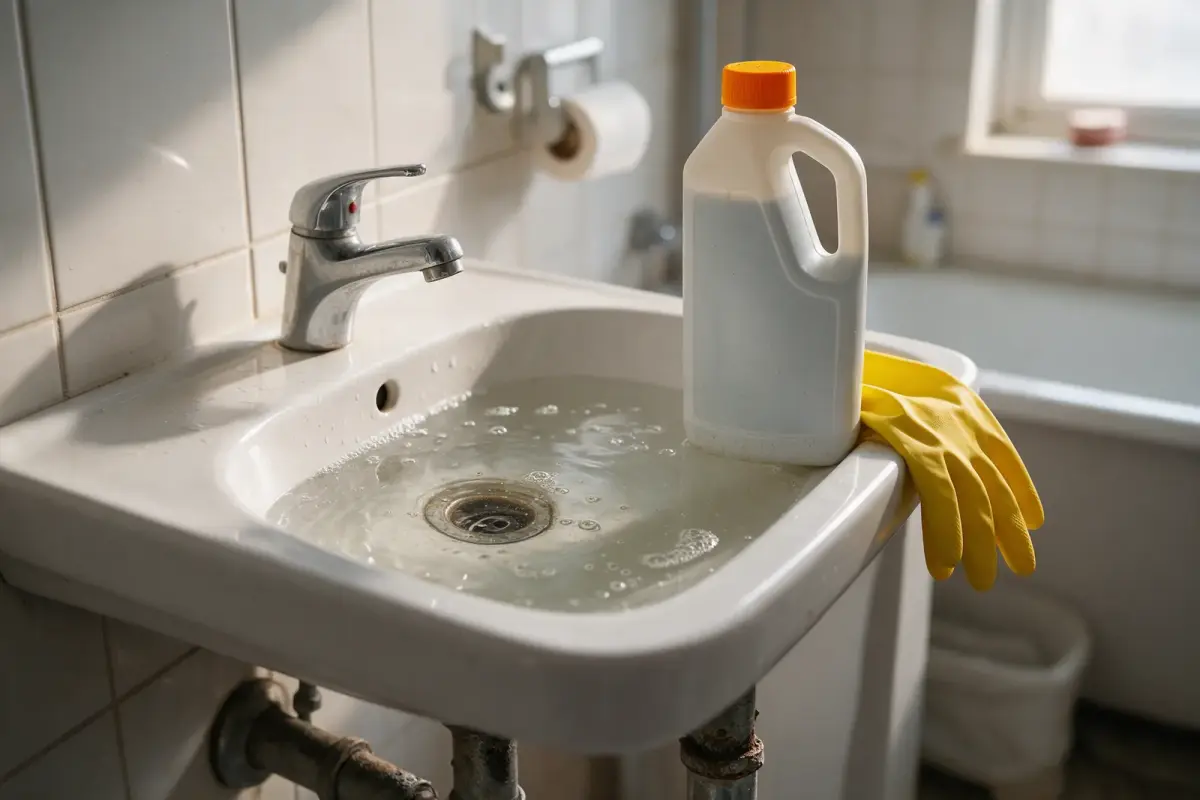
These products can burn skin and eyes and give off strong fumes. If you use one, wear gloves and eye protection, open a window, and follow the label exactly. Never mix drain cleaners with each other or with other household chemicals. Bleach combined with acids or ammonia releases toxic gas, and acid combined with a caustic cleaner can react violently, throwing off heat and spatter. Never plunge a drain after using a chemical cleaner, because the plunger can splash the chemical back at you. If anyone is exposed, call Poison Help at 1-800-222-1222.
This risk is easy to overlook. If the chemical doesn't clear the clog, the trap and pipe stay full of caustic water. The next person to loosen the trap or run a snake, whether you or a plumber, can get it on their hands or in their eyes. If you have used a chemical cleaner, tell your plumber which product and when.
Chemical cleaners only work on things they can dissolve, and only if they can reach them. They often fail on:
- Dense hair clogs. Hair wrapped around a pop-up stopper often doesn't dissolve fully. The chemical may open a small channel, and the drain slows down again within days.
- Solid objects. Toys, bottle caps, jewelry, and cotton swabs will not dissolve.
- Wipes, paper towels, dental floss, and hygiene products. These are made to hold together when wet.
- Tree roots and mineral scale. Drain openers aren't designed for either.
- Fully blocked drains. The product sits on top of standing water, gets diluted, and never reaches the clog, while it keeps heating the pipe.
- Main sewer line clogs. By the time the chemical travels that far, it is too diluted to do much. If several drains are acting up, read our signs your drains need cleaning guide first.
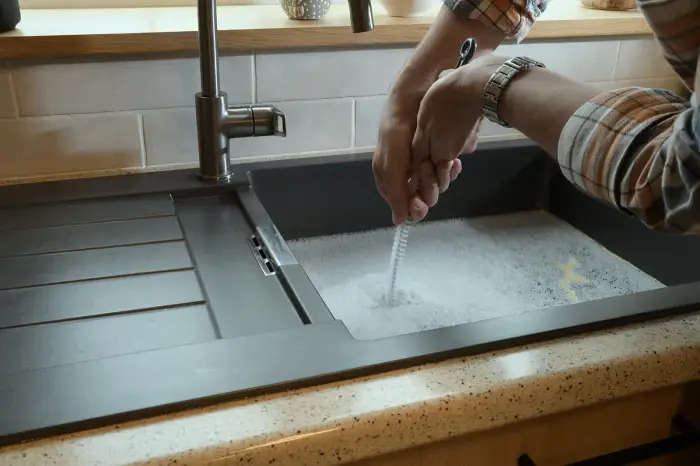
Start by pulling out the stopper and cleaning off the hair. It is unpleasant, but it fixes a lot of slow bathroom drains in minutes. A cheap plastic barbed drain tool reaches a little farther. Next, try a cup plunger, with a wet rag pressed over the overflow opening so the pressure goes toward the clog. If that fails, put a bucket under the trap, remove it, and clean it out, or use a hand auger.
Kitchen clogs are usually grease and food scraps. Keep grease out of the drain in the first place, and see our guide on how to clean grease out of sink drains for what to do once it has built up.
For slow drains and odors, enzyme cleaners and simple homemade drain cleaner recipes are gentle on pipes and safe to use regularly. They won't clear a solid blockage, but they help keep buildup under control.
Call a plumber when a clog doesn't respond to a plunger or snake, when more than one drain is affected, when the same drain keeps clogging, or when a chemical cleaner is already sitting in the line. Professional drain cleaning uses a cable machine to clear the clog at its source, with no chemicals involved.
Stop there. Don't add more of the same product or try a different one, and don't plunge. Keep the room ventilated, keep children and pets away, and keep the bottle so you can tell the plumber exactly what is in the pipe. If you take the trap apart yourself, wear gloves and eye protection and put a bucket underneath.
If the drain is still blocked, or you would rather not deal with a pipe full of chemicals yourself, contact Beaver Brothers Plumbing and we will clear it safely.
Is it OK to use Drano once in a while?
Occasional use on a slow drain in pipes that are in good condition is unlikely to cause immediate harm. The risk grows with repeated use, full blockages, older pipes, and septic systems. It is better kept as a last resort than used as routine maintenance.
Can Drano damage PVC pipes?
It can. The heat from the reaction can soften plastic pipe and its joints, especially when the product sits for a long time on a complete blockage. Plastic trap parts under a sink are especially vulnerable.
Is Drano safe for septic systems?
Harsh chemical drain openers can kill the bacteria a septic system depends on, and the EPA advises against using them for clogs. A plunger, a drain snake, or a plumber is a better choice for a home on septic.
What should I do if Drano didn't unclog my drain?
Don't add more or switch to another chemical, and don't plunge. Ventilate the room, keep the bottle, and call a plumber. Tell them what product you used and when, so they can clear the drain safely.