



The Hidden Problems Inside Your Pipes — What a Camera Inspection Reveals
Uncover hidden problems lurking inside your pipes. Learn what a professional camera inspection reveals and why it's essential for maintaining your Sacramento home's plumbing system.
Your home's plumbing system is largely hidden from view, running behind walls, under floors, and deep underground. While out of sight shouldn't mean out of mind, many Sacramento homeowners don't realize what's happening inside their pipes until a major problem occurs. Slow drains, recurring clogs, and mysterious odors are often symptoms of deeper issues that can't be seen with the naked eye.
At Beaver Brothers Plumbing, we use advanced camera inspection technology to peer inside your pipes and identify problems before they become costly emergencies. In this comprehensive guide, we'll explore what a camera inspection reveals, the hidden problems it uncovers, and why this diagnostic tool is essential for maintaining your home's plumbing health.
Why Camera Inspections Matter
Traditional plumbing diagnostics rely on guesswork, trial and error, and sometimes invasive exploratory work. Camera inspections eliminate the guesswork by providing real-time video footage of your pipe's interior condition. This technology allows our licensed plumbers to see exactly what's happening inside your pipes without digging up your yard or tearing down walls.
Experiencing recurring drain problems? A camera inspection can identify the root cause and save you from repeated repairs. Schedule your free camera inspection today or call us at 916-885-1005.
What Is a Plumbing Camera Inspection?
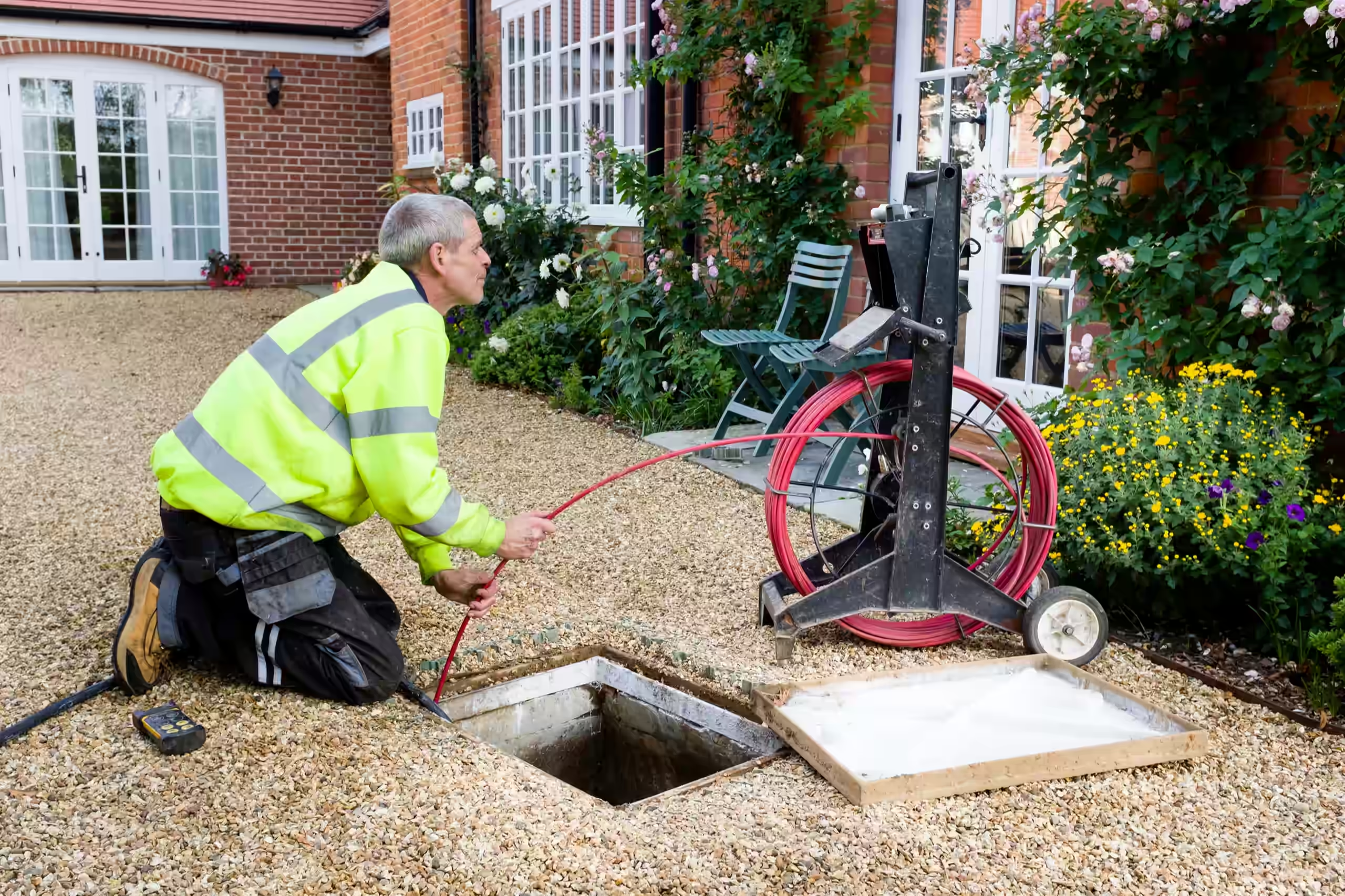
A plumbing camera inspection uses a waterproof, high-resolution camera mounted on a flexible cable that's inserted into your pipes. The camera transmits live video footage to a monitor, allowing plumbers to see the interior condition of your pipes in real-time. This technology can navigate through pipes as small as 2 inches in diameter and reach distances of up to 200 feet.
How the Technology Works
The inspection camera system consists of several components:
- Waterproof camera head: Equipped with LED lights to illuminate dark pipes
- Flexible cable: Can navigate bends and turns in your plumbing system
- Locator transmitter: Helps pinpoint the exact location of problems underground
- Monitor and recording equipment: Captures footage for documentation and analysis
During the inspection, the camera moves through your pipes, providing a clear view of the interior. Our plumbers can identify issues like cracks, blockages, root intrusion, and pipe deterioration that would be impossible to detect otherwise.
Hidden Problem #1: Tree Root Intrusion
One of the most common hidden problems camera inspections reveal is tree root intrusion. Tree roots are naturally drawn to sources of water and nutrients, making your sewer lines an attractive target. Roots can enter through small cracks or joints in pipes, then expand and grow inside, causing blockages and structural damage.
How Roots Damage Your Pipes
Tree roots don't just block your pipes—they can cause serious structural damage:
- Blockages: Roots grow and expand, filling the pipe and preventing waste flow
- Cracked pipes: Expanding roots can crack or break pipe walls
- Joint separation: Roots can push pipe joints apart, creating leaks
- Complete pipe failure: Severe root intrusion can collapse pipes entirely
Early Detection Saves Money
Camera inspections can detect root intrusion in its early stages, before it causes complete blockages or pipe failure. Early detection allows for less invasive treatments like hydro jetting or root cutting, rather than expensive pipe replacement. If you have mature trees near your sewer line, regular camera inspections are especially important.
Our sewer line repair and replacement team uses camera inspections to assess root damage and recommend the most cost-effective solution for your Sacramento home.
Hidden Problem #2: Pipe Corrosion and Deterioration
Over time, pipes can corrode, crack, or deteriorate due to age, water chemistry, and ground conditions. These problems often develop gradually and may not show symptoms until significant damage has occurred. Camera inspections reveal the true condition of your pipes, including areas of corrosion, thinning walls, and structural weaknesses.
Types of Pipe Damage Revealed
Camera inspections can identify various forms of pipe deterioration:
- Corrosion: Chemical reactions that eat away at pipe material
- Bellied pipes: Sections that have sunk, creating low spots where waste collects
- Cracked pipes: Structural damage from ground movement or pressure
- Collapsed sections: Complete pipe failure requiring replacement
- Joint separation: Pipes that have pulled apart at connections
Why This Matters
Deteriorating pipes can lead to sewage backups, foundation damage, and environmental contamination. Camera inspections allow us to assess the extent of damage and plan repairs before emergencies occur. For older homes in Sacramento, Folsom, and surrounding areas, camera inspections are particularly valuable for evaluating aging plumbing infrastructure.
Hidden Problem #3: Grease and Debris Buildup
Even if your drains seem to be working, camera inspections often reveal significant buildup of grease, soap scum, and debris coating the inside of your pipes. This buildup gradually narrows the pipe diameter, reducing flow capacity and increasing the risk of complete blockages.
What Builds Up in Your Pipes
Common materials that accumulate in pipes include:
- Cooking grease and fats: Solidify and stick to pipe walls
- Soap scum: Combines with minerals to form hard deposits
- Hair and personal care products: Create tangled blockages
- Food particles: Decompose and contribute to buildup
- Mineral deposits: Hard water minerals that accumulate over time
The Gradual Problem
This buildup happens gradually, so you may not notice until your drains slow significantly or back up completely. Camera inspections show the extent of buildup, helping determine whether drain cleaning or more intensive treatment is needed.
Noticing slow drains or recurring clogs? A camera inspection can reveal what's causing the problem. Contact us today to schedule an inspection and get to the root of your plumbing issues.
Hidden Problem #4: Misaligned or Separated Joints
Pipe joints can separate or become misaligned due to ground settling, tree root pressure, or improper installation. These problems allow soil, roots, and debris to enter your pipes while also causing leaks that can damage your property and create health hazards.
How Joint Problems Develop
Several factors can cause pipe joints to fail:
- Ground settling: Soil movement can shift pipes and separate joints
- Tree root pressure: Roots can push pipes apart at connection points
- Age and deterioration: Old joint materials can degrade and fail
- Improper installation: Poorly connected pipes are more prone to separation
Why Early Detection Is Critical
Separated joints can cause sewage to leak into your yard, potentially contaminating soil and groundwater. They also allow roots and debris to enter your pipes, creating blockages. Camera inspections can pinpoint exactly where joints have separated, allowing for targeted repairs rather than extensive excavation.
Hidden Problem #5: Foreign Objects and Blockages
Camera inspections frequently reveal unexpected objects blocking pipes. These can include items that were accidentally flushed, construction debris, or objects that entered through damaged pipe sections. Identifying the exact nature and location of blockages helps determine the best removal method.
Common Blocking Objects
Camera inspections have revealed various objects blocking pipes:
- Flushed items: Toys, wipes, feminine products, and other non-flushable items
- Construction debris: Rocks, concrete, or materials left during construction
- Collapsed pipe sections: Broken pipe pieces blocking flow
- Large root masses: Extensive root growth filling the pipe
Precise Problem Identification
Knowing exactly what's blocking your pipe and where it's located allows our plumbers to choose the most effective removal method. Some blockages require hydro jetting, while others may need mechanical removal or pipe repair. Camera inspections eliminate guesswork and ensure the right solution is applied.
Hidden Problem #6: Bellied or Sagging Pipe Sections
Bellied pipes are sections that have sunk or sagged, creating low spots where waste collects. These sagging sections can cause recurring blockages and prevent proper drainage. Camera inspections clearly show these problem areas, which are often invisible from the surface.
What Causes Bellied Pipes
Several factors can cause pipes to sag or develop bellies:
- Soil erosion: Ground shifting away from under pipes
- Poor installation: Improper bedding or support during installation
- Heavy traffic: Vehicles or heavy equipment compressing soil above pipes
- Water saturation: Excessive moisture weakening soil structure
The Impact on Your Plumbing
Bellied sections create natural collection points for waste, leading to frequent blockages. They also prevent proper flow, causing backups and slow drains. Camera inspections identify these problem areas so they can be repaired or replaced, restoring proper drainage to your system.
When Should You Schedule a Camera Inspection?
While camera inspections are valuable diagnostic tools, you don't need one for every plumbing issue. Here are situations when a camera inspection is particularly beneficial:
Recurring Drain Problems
If you're experiencing repeated clogs or slow drains despite cleaning attempts, a camera inspection can reveal underlying structural problems or persistent blockages that need professional attention.
Before Purchasing a Home
Camera inspections are excellent for home buyers who want to assess the condition of a property's plumbing system before purchase. Identifying problems early can save thousands in unexpected repairs.
After Tree Removal
If you've removed trees near your sewer line, a camera inspection can check for root damage that may have occurred before removal.
Before Major Renovations
Understanding your plumbing system's condition before renovations helps avoid costly surprises and ensures your new fixtures will work properly.
Regular Maintenance
For older homes or properties with known plumbing issues, regular camera inspections can catch problems early and prevent emergencies.
Check out our blog post on whether you need a plumbing camera inspection for more detailed guidance.
The Camera Inspection Process
Understanding what to expect during a camera inspection helps you prepare and know what questions to ask. Here's how the process typically works:
Step 1: Access Point Preparation
Our plumber will locate the best access point for the camera, usually through a cleanout, drain opening, or by removing a toilet. The access point is cleaned to ensure clear camera movement.
Step 2: Camera Insertion and Navigation
The camera is carefully inserted and guided through your pipes. As it moves, it transmits live video to a monitor, allowing the plumber to see the pipe's interior condition in real-time.
Step 3: Problem Identification and Documentation
As problems are identified, the plumber documents their location using the locator transmitter. Video footage is recorded for your records and to help plan repairs.
Step 4: Detailed Report and Recommendations
After the inspection, you'll receive a detailed report with video footage showing any problems found. Our plumber will explain the findings and recommend appropriate solutions.
Ready to see what's inside your pipes? Our experienced team uses state-of-the-art camera inspection technology to diagnose plumbing problems accurately. Schedule your camera inspection today or call 916-885-1005. We'll help you understand your plumbing system's condition and recommend the best solutions for your Sacramento home.
Benefits of Professional Camera Inspections
Camera inspections offer numerous advantages over traditional diagnostic methods:
Non-Invasive Diagnosis
Unlike exploratory digging, camera inspections don't require tearing up your yard or property. The camera can navigate through your existing plumbing system, providing detailed information without destruction.
Accurate Problem Identification
Camera inspections eliminate guesswork by showing exactly what's wrong and where. This accuracy leads to more effective repairs and prevents unnecessary work.
Cost Savings
By identifying problems early and accurately, camera inspections help you avoid emergency repairs and unnecessary excavation. You'll know exactly what needs to be fixed, preventing over-treatment or missed problems.
Documentation for Records
Video footage from camera inspections provides documentation of your plumbing system's condition, which can be valuable for insurance claims, property sales, and maintenance planning.
Frequently Asked Questions
How long does a camera inspection take?
Most camera inspections take 30-60 minutes, depending on the length of pipes being inspected and the number of problems found. Simple inspections may take less time, while complex systems with multiple issues may require longer.
Do I need to be home during the inspection?
While you don't need to be present for the entire inspection, it's helpful to be available to discuss findings and ask questions. Our plumber will explain what they're seeing and answer any questions you have.
Can camera inspections damage my pipes?
No, camera inspections are non-invasive and won't damage your pipes. The camera is designed to navigate through pipes safely without causing harm. The flexible cable can navigate bends and turns without scratching or damaging pipe interiors.
What happens if problems are found?
If problems are identified, our plumber will explain what was found, show you the video footage, and recommend appropriate solutions. You'll receive a detailed report with recommendations for repairs, cleaning, or replacement as needed.
How much does a camera inspection cost?
Camera inspection costs vary based on the length of pipes being inspected and the complexity of your system. We offer free camera inspections with certain services. Contact us for current pricing and to learn about our inspection specials.
Can camera inspections find leaks?
Yes, camera inspections can identify many types of leaks, including cracks, holes, and separated joints. However, very small leaks or leaks in pressurized water lines may require additional leak detection methods.
What types of pipes can be inspected?
Camera inspections work on most types of pipes, including PVC, cast iron, clay, and other common materials. The camera can navigate through pipes as small as 2 inches in diameter and can reach distances of up to 200 feet.
Conclusion
Your plumbing system's hidden problems don't have to remain mysteries. Camera inspections provide a clear view of what's happening inside your pipes, revealing issues like root intrusion, pipe deterioration, buildup, joint problems, and blockages that can't be seen from the surface.
At Beaver Brothers Plumbing, we use advanced camera inspection technology to accurately diagnose plumbing problems in Sacramento area homes. Whether you're experiencing recurring drain issues, preparing to buy or sell a home, or simply want to understand your plumbing system's condition, a camera inspection provides valuable insights.
Don't wait for plumbing problems to become emergencies. Schedule your camera inspection today or call 916-885-1005. Our licensed plumbers will help you understand what's inside your pipes and recommend the best solutions for maintaining your home's plumbing health.

Plumbing
Connect with us for expert plumbing tips, updates, and services — follow us on social media!